

When Bradley Beal agreed to a two-year, $11 million deal with the Los Angeles Clippers this week, it didn’t just bolster a title contender on a bargain—it also revealed a sobering truth about the current landscape of Los Angeles basketball: The Lakers are no longer the gravitational center they once were.
Beal’s exit from Phoenix had been building for months. His time with the Suns had quietly unraveled, and by mid-July, he reached a buyout agreement that allowed him to hit the market. But according to longtime NBA insider Marc Stein, Beal’s next destination wasn’t a mystery to league executives. “Other teams interested in Beal — namely the Lakers, Warriors, Bucks and Timberwolves — have been operating under the belief that Beal was ultimately bound for Clipperland essentially since the early stages of the Vegas Summer League,” Stein reported.
Clippers Saw Bradley Beal As A Starter, Lakers Didn’t
Support Our Fight To End Fall Weddings
And according to Brett Siegel of ClutchPoints, the Lakers weren’t passive observers. “Beal did not show a lot of interest in playing for the Lakers despite the team holding extensive conversations with him and his representation,” Siegel reported on X. The reason? Role. While the Clippers could offer Beal a starting spot alongside James Harden and Kawhi Leonard, the Lakers envisioned him as a sixth man behind Luka Dončić and Austin Reaves. That distinction proved to be pivotal.
Beal, a three-time All-Star, will turn 32 this season. He’s no longer the 30-points-a-night scorer from his prime years in Washington, but he still averaged 17.6 points per game last season on 49.7% shooting and 38.6% from deep—all while adapting to a tertiary role in Phoenix. For the Clippers to land that production at $5.5 million annually is a masterclass in value. For the Lakers, who instead pivoted to Marcus Smart after missing on Beal, it’s a glaring missed opportunity.
This wasn’t just about money. Beal sacrificed nearly $14 million in his Suns buyout and deliberately waited until receiving his final advance check on July 15 before clearing waivers. The Lakers had the financial flexibility to make a deal work—especially after moving assets to land Dončić and signing Deandre Ayton. But they couldn’t offer what mattered most: a starting role and a clear path to contend on his terms.
A Shifting Power Balance in Los Angeles
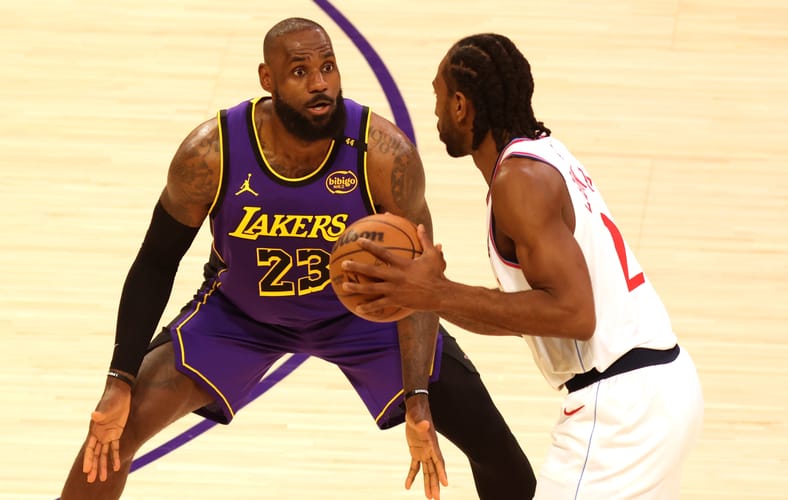
Beal’s decision is emblematic of a broader dynamic shift in Los Angeles. In previous eras, the Lakers’ legacy alone was enough to attract top-tier talent. That’s no longer the case.
The Clippers, under Lawrence Frank and now coached by Tyronn Lue, have built a resilient infrastructure that appeals to veteran stars looking for clarity and cohesion. While the Lakers remain tethered to the whims of LeBron James—who is entering the final chapters of his legendary career and has made clear he’s monitoring the front office’s decisions—players like Beal appear to be prioritizing stability over star power.
It’s a subtle but meaningful shift. One that undercuts the Lakers’ long-held position as L.A.’s basketball epicenter.
The Clippers’ Gain Is the Lakers’ Headache
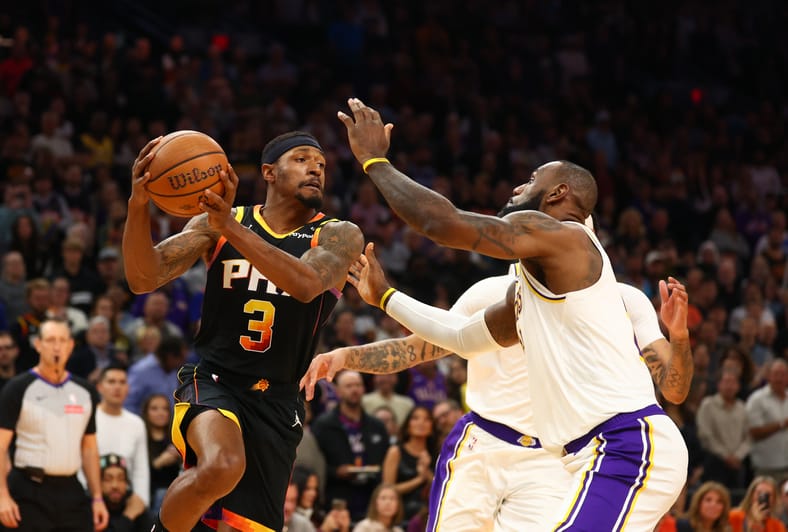
Beal fills a glaring need for the Clippers, especially after Norman Powell’s departure in the John Collins trade. He provides scoring, veteran experience, and—somewhat surprisingly—defense. According to league tracking data, Beal held his own guarding some of the league’s top scorers last season, including Tyrese Maxey and even LeBron James. His Defensive EPM and DARKO metrics reached career highs in Phoenix, as new coach Mike Budenholzer empowered him to take on tougher matchups.
“I’m very excited about taking on the task of guarding guys,” Beal said recently. “I just think that’s another level I can tap into.”
For a Clippers team that was eliminated in the first round last postseason, Beal’s arrival—along with Brook Lopez and John Collins—represents a meaningful recalibration. For the Lakers, it means facing a deeper, more complete rival four times a season and potentially in the playoffs.
Bottom Line: A Rare Miss with Consequences
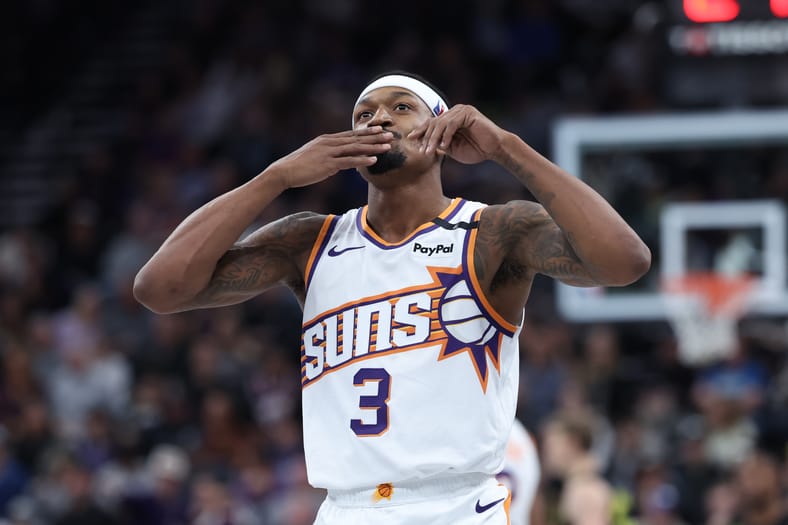
The Lakers will frame this as a matter of fit. But between the lines, the narrative is clear: They were outmaneuvered by the team across the hallway. Bradley Beal could have been a Laker. He chose not to be.
In the short term, this raises questions about the Lakers’ bench scoring and defensive depth. In the long term, it signals something even more important: the mystique of the purple and gold no longer guarantees priority in player decisions.
And if the Clippers finally break through and reach their first NBA Finals with Beal in the mix, it won’t just be a win for Steve Ballmer’s franchise. It’ll be a defining loss for the Lakers—and a turning point in the battle for Los Angeles.