

The Norman Powell era with the Los Angeles Clippers ended not because of lack of production, but because of looming financial questions. For three and a half seasons, the Clippers leaned on Powell’s efficient scoring, gladly absorbing his contract as he became one of the team’s most reliable wings. But when extension talks escalated and the asking price rose, president of basketball operations Lawrence Frank and the front office held their line. That stance ultimately paved the way for Powell’s move to the Miami Heat.
Miami, fresh off a season of turbulence following the Jimmy Butler trade, desperately needed offensive reinforcements. ESPN’s Chris Herring captured the sentiment best: “More than anything, the offense desperately needed a leg up this offseason. That’s where Powell, who’s playing the best ball of his career in his early 30s, comes in. He isn’t the biggest facilitator, but the man can score on and off the ball, and from both inside and outside the arc.”
Clippers Moved On From Norman Powell. Was It The Right Direction?

Support Our LA Firefighters In Style
Powell’s numbers back that up. Before injuries slowed him last year, he was playing like a first-time All-Star candidate—averaging 24.2 points on 63.3% true shooting over a 45-game stretch. In Miami, his scoring ability will ease the burden on Tyler Herro and Bam Adebayo, while his catch-and-shoot efficiency (nearly 45% over the past seven seasons) will stretch defenses in ways Duncan Robinson once did.
The Heat are paying for that luxury, both in salary and flexibility. Powell will earn $20.5 million this season before becoming an unrestricted free agent next summer. Extending him will almost certainly require Miami to trim elsewhere, evidenced by their recent decision to move Haywood Highsmith in what amounted to a salary dump. It’s a dynamic the Clippers were eager to avoid, with Powell’s age (32) and position-specific limitations making him more of a cap risk in their long-term plans.
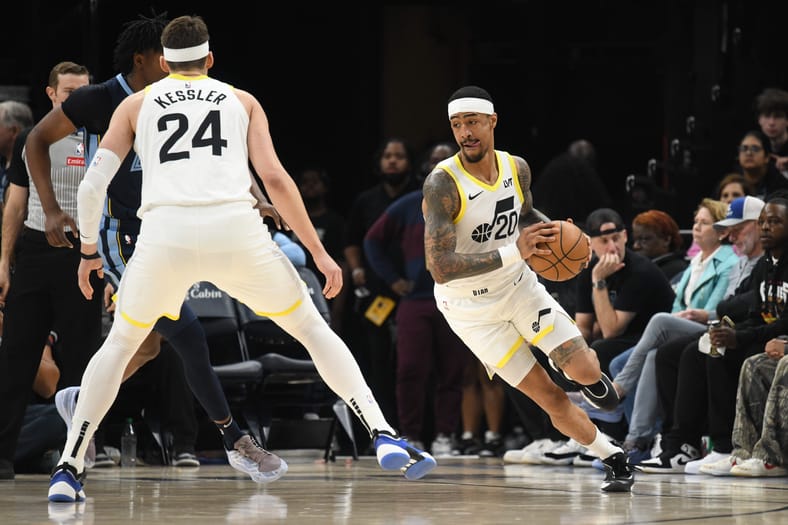
The Clippers, meanwhile, pivoted to John Collins in the three-team deal. Younger, more versatile, and less expensive to extend, Collins addresses a frontcourt need that has lingered for multiple seasons. Frank called Collins “a power forward in his prime with great athleticism who can also play small-ball 5,” underscoring the organization’s desire for lineup flexibility after leaning so heavily on wings in recent years.
Still, there’s a bittersweet note to Powell’s departure. He was a fan favorite, a UCLA product who delivered consistent scoring at a time when Kawhi Leonard’s health and Paul George’s departure left voids on the wing. His playoff performance against Denver reminded the Clippers of his limitations defensively, but it also showcased the spark he could provide in tough spots.
For Miami, though, that spark is exactly what they need. Powell arrives as both a short-term stabilizer and a potential long-term piece if the finances align. The Heat are banking that his career-best stretch in Los Angeles wasn’t a blip, but the new baseline of a scorer who can change the geometry of their offense.
If he delivers, Powell could be remembered as more than just a cap casualty in Los Angeles. He could be the piece that redefines Miami’s post-Butler identity.