

By all appearances, the Los Angeles Dodgers had a relatively quiet trade deadline. They didn’t make a blockbuster move for a frontline starter or slugging outfielder. Instead, they made calculated tweaks—adding reliever Brock Stewart, outfielder Alex Call, and sending off Dustin May in a deal that didn’t draw headlines. But behind the lack of flash was what may ultimately go down as the most lopsided move of the summer.
A Deal That Looks Better by the Day for the Los Angeles Dodgers
The Dodgers shipped right-hander Dustin May to the Boston Red Sox in exchange for 22-year-old outfield prospect James Tibbs III—ranked fifth in Boston’s system at the time of the deal. As reported by USA Today’s Bob Nightengale, the trade was viewed as one of the biggest steals of the deadline.
“They sent Dustin May to the Boston Red Sox simply because he wasn’t good enough to make their rotation,” Nightengale wrote, adding that rival executives believe Tibbs “has a chance to become a star.” He later called it the best “under-the-radar” move of the entire trade cycle.
That’s a strong endorsement for a deal some initially saw as little more than a roster reshuffle. But dig into the context, and it’s clear: the Dodgers managed to turn an injury-prone starter with an expiring contract into one of the more MLB-ready power bats in the minors.
May Becomes the Odd Man Out In Dodgers’ Rotation
Get your Puka-Flex T-Shirt Here
May’s departure wasn’t necessarily driven by his performance alone. The 27-year-old had started 18 games for the Dodgers this year, posting a 4.85 ERA over 104 innings—more than a full run above his career average. But with Cy Young winner Blake Snell returning from injury, May was facing a move to the bullpen. According to multiple reports, including Dodger’s Nation’s Noah Camras, May was not open to that transition.
That, coupled with his looming free agency and unwillingness to commit to a new deal with the Dodgers, made a trade almost inevitable.
NBC Los Angeles’ Michael Duarte summarized the move as pragmatic: “May, a beloved figure in Los Angeles, had re-established himself as one of the most consistent arms in the Dodgers’ rotation… But with his free agency looming this offseason — and reports suggesting he wouldn’t re-sign — the front office made a pragmatic move.”
James Tibbs III: A Piece of the Future
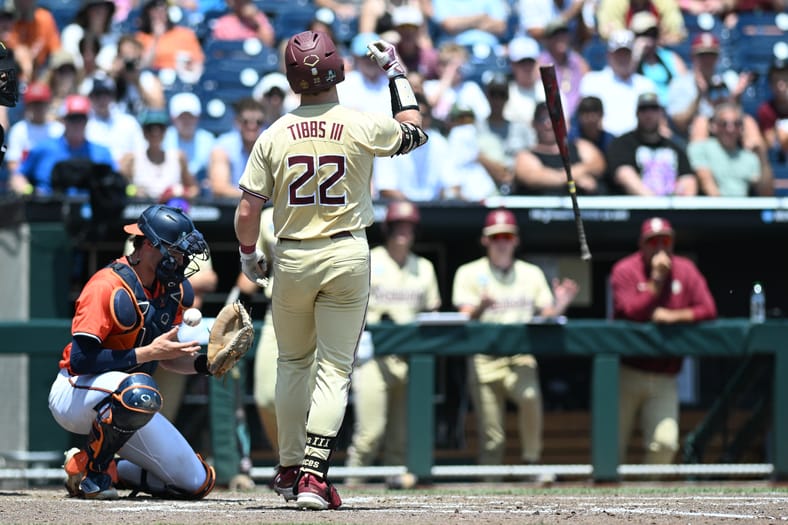
Tibbs isn’t just a throw-in. He’s a 2024 first-round pick (13th overall), originally drafted by the San Francisco Giants before being sent to Boston in the Rafael Devers blockbuster. Now, he finds himself in Los Angeles—where Dodgers brass is reportedly thrilled to have him.
MLB insider Robert Murray called Tibbs “the centerpiece” of the Dodgers’ return, while The Athletic’s Grant Brisbee gave the Dodgers “10 bonus points” for acquiring him: “He has the chance to do a very, very funny thing over the next decade.”
In other words: Los Angeles may have pulled off one of the rarest kinds of deadline deals—a future-altering one.
Not a Flashy Deadline, But a Functional One
The Dodgers were criticized in some corners of the baseball world for not doing more at the deadline. Brisbee dubbed their activity “snoozy,” writing, “When you’re in the Dodgers’ position, when you snooze, you lose… There was more room for them to get aggressive and weird.”
But even he admitted Tibbs changed the narrative.
Los Angeles also addressed practical needs. They added a reliever to their injury-ravaged bullpen and a backup corner outfielder in Call. Neither move was flashy, but they were necessary. The front office prioritized sustainability—keeping their eye on 2025 and beyond, rather than overpaying for short-term fixes.
Playing the Long Game

James Tibbs III is still developing—he’s slashing .232/.358/.402 with 13 homers in 86 games between Single-A and Double-A—but he has clear upside as a middle-of-the-order bat with a mature approach at the plate. Bleacher Report’s Joel Reuter named him the fifth-best prospect moved at the deadline, calling him “one of the more MLB-ready bats in the 2024 draft class.”
If that projection holds, the Dodgers didn’t just patch holes. They positioned themselves for a stronger next decade.
In an era when top prospects are rarely available, the Dodgers flipped a soon-to-be free agent for a premium bat with long-term potential—making a move that could pay off far more than the blockbuster deals they didn’t make.