

By all traditional measures, the Los Angeles Dodgers are in a good place. They hold the National League’s best record at 58–39, lead MLB in runs per game (5.34), and sit atop the NL West with a 5.5-game cushion. But beneath the surface of that success lies a growing concern—and a potentially unorthodox solution.
Despite a patchwork pitching staff and an underperforming bullpen, the Dodgers aren’t expected to go all-in on arms at the trade deadline. Instead, according to multiple reports, they may actually be more inclined to double down on offense, targeting an impact bat to round out an already lethal lineup. And oddly enough, it might be the smartest path forward.
A Lineup That’s Masking the Cracks

As The Athletic’s Michael Charles noted, the Dodgers’ offense has carried the team. Their .471 expected slugging percentage ranks second in the majors. They’re also top-three in hits, home runs, and expected batting average. This depth has allowed them to compensate for a pitching staff that owns a mediocre 4.29 ERA, which ranks 23rd.
“The same diabolically deep lineup that led the Dodgers to last season’s World Series crown continues to dominate opposing pitching,” Charles wrote. “Despite cooling ahead of the All-Star break, Los Angeles leads the majors in runs scored and ranks third in slugging percentage.”
Manager Dave Roberts echoed this sentiment after the team’s first-half finale, acknowledging the need for improvement across the board—especially pitching and consistency on offense. “The win-loss, the standings are great. But I think there’s just a lot of improvement we need to do. … I always expect more from our guys, and they expect the same thing.”
The Case for a Bat Over an Arm
That expectation of more may be what’s pushing the front office to think differently. Despite spending $107 million on relievers like Tanner Scott, Blake Treinen, and Kirby Yates this offseason, the Dodgers’ bullpen has not held up its end. Scott leads the league in blown saves. Yates is giving up homers at an alarming rate. Treinen is still on the injured list. Overall, the bullpen ranks 23rd in ERA at 4.38.
And yet, team president Andrew Friedman—who loathes deadline panic buying—may resist chasing overpriced arms. The Athletic’s Fabian Ardaya summed up the front office’s thinking:
“One way to mitigate all the questions about the Dodgers’ pitching staff is to create a lineup with no holes… If they can find a way to add an impact bat, they can move around the pieces to make everything else work.”
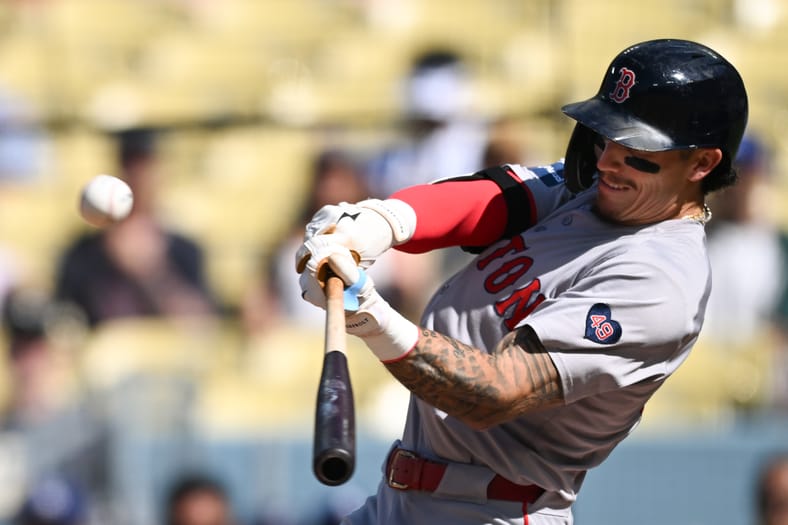
With Max Muncy out until at least the end of August and Michael Conforto struggling (.620 OPS), the Dodgers are feeling the need for another left-handed bat. Targets like Boston’s Jarren Duran, Colorado’s Ryan McMahon, or Milwaukee’s Blake Perkins could provide both pop and flexibility, helping the Dodgers handle right-handed pitching more effectively.
Friedman’s Reluctant Pivot
Friedman entered 2025 determined to avoid buying in July. “It is terrible,” he said of the deadline market. But Ken Rosenthal recently reported that Friedman is “shopping again, anyway.”
It’s not hard to see why. The team has relied on unexpected contributors like Andy Pages and Hyeseong Kim to stay afloat. Shohei Ohtani is a two-way MVP candidate again. But Mookie Betts’ first half was the worst of his career (.696 OPS), and the Dodgers have dealt with massive rotation injuries—Blake Snell, Roki Sasaki, and Clayton Kershaw among them.
The reinforcements could arrive soon. Graterol and Kopech are nearing returns, and Sasaki is expected in late August. Rather than overpay for pitching, Friedman may lean into what’s already elite: the offense.
Going Against the Grain

While other contenders are expected to load up on starters or closers, the Dodgers might zag. They could add one more bat to make an already elite offense virtually untouchable—a rare case of solving a pitching problem by doubling down on hitting.
It’s bold. It’s unconventional. And in a crowded deadline market, it might be the most cost-effective way to stay dominant.
After all, as Roberts said bluntly: “We should want to get better.”
For the Dodgers, that may just mean getting scarier at the plate—again.